fMRI and fNIRS: Comparative Paradigms
Summary of the Houston Workshop: fMRI and fNIRS: Comparative Paradigms, with Dr. Tom Zeffiro of the Baltimore VA
General Summary

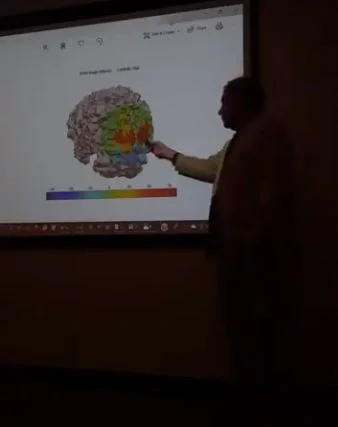
Recently, NIRx Medical Technologies hosted a workshop at The University of Houston with guest speaker and fMRI expert, Dr. Tom Zeffiro.
Dr. Zeffiro has now worked in fMRI for several decades and has now worked in the field of fNIRS for sometime as well. Due to the increased popularity of the modality, Dr. Zeffiro has decided to transition his passion and related knowledge of fMRI into the field of fNIRS. This combination of modalities is near perfect as the BOLD signal of fMRI is so highly related with the hemodynamic response of fNIRS.
The purpose of this workshop was to build on and apply the current knowledge of fMRI into the field of fNIRS to create a useable and understandable methodology for any fNIRS user. There are several reasons why this purpose would useful for fNIRS users.
The first reason is simply due to the larger number of publications in fMRI that are completely (or at least near-completely) translatable into the realm of fNIRS. This allows fNIRS users a wider range of documentation and resources when conducting their experiments, and creates a valuable repository to help answer questions that arise when current fNIRS repositories fall short.
Additionally, this purpose also aimed to build on the often more established topics in fMRI and translate the information to the fresher realm of fNIRS. This would enable researchers who might be currently familiar to fMRI but perhaps new to fNIRS to gain a more stable first footing into the field.
The workshop was split into a 2-day program covering the basics of fMRI experimentation, signal processing, and analysis through to the translation of these topics into fNIRS. The talk focused on similarities, incongruencies, and applications in both technologies.
Day 1

Dr. Zeffiro began the workshop spanning the breadth of fMRI. This included a broad overview of the technology, sparing the crowd from many of the intrinsically deep details.
During the day, the conversation never touched heavily on any specific application, nor did it demonstrate any real analysis, but during the conversation, Dr. Zeffiro did share anecdotes about popular studies in the field. The day focused on introducing the attendees to the fabric of fMRI, ensuring an all-encompassing overview of the field. While initially a bit overwhelming in information, Dr. Zeffiro proved his experience in delivering these workshops on day 2, when the course came full circle tying in each concept introduced during day 1 to its application and reason.
Day 2
Entering day 2, Dr. Zeffiro clearly had a method to his madness as he calmly and astutely began to connect each of the dots presented in the previous day’s talk. There was clear relief and several “a-ha’s’ being exuded from the crowd as each audience member found moments of genius in the unsuspecting plan.
fNIRS came to the forefront of day 2 with fMRI simply adding the support beams to the explanations of the technology. Applications and technical acuity began to seep more and more into the conversations. Lending a more hands-on feel, without Dr. Zeffiro having to provide individual guidance.

Dr. Zeffiro’s opening topic, “what should you first do when you get a device?” started the day with curiousity and led the path of discussion all the way through analysis. The conversation led to the first experiment one should do with their system, enabling users to fully understand the technology, the device, the data, and the analysis.
Fingertapping enables the learning curve because it is such a simple task to understand, simple in its physicality, and simple in its cognitive load. The response to tapping fingers is large, and the response is quite intuitive to most brain scientists. The outcome should be a large response in the motor region. There may or may not find contra-laterality, but if all things are working properly, you absolutely will find a motor response, and therefore nearly guaranteed usable data to work with.
The day continued from this simple paradigm adding levels of complexity to the task. Showing the audience how one may alter the experimental question using simple steps, correcting the experimental paradigm, and eventually what accompanying analytical changes would be made to appropriately measure these more complex levels.
Each step was described in great and understandable detail. Many common processing and analysis steps were explained with the questions, “what”, “why”, and “how”.
In Closing
The workshop encompassed an enormous amount information during a two-day period, but brought a range of researchers into an environment focused on complicated topics in neuro-imaging while maintaining a focus on simplifying each topic to its bones.
The workshop enabled an open atmosphere for questions and discussion, and often detoured down the appropriate paths to ensure the audience was able to have all needed questions answered. Dr. Zeffiro was able to maintain this environment during both days while keeping his focus on the intended program.
We hope all attendees found use in their attendance, and we hope this summary does the workshop justice. If we happened to miss you for this first course, we look forward to seeing you in future courses!

Music, education and the brain
A report from UFABC, Brazil
Brains in Concert!
Below a small report from a unique event that took place earlier this year in São Paulo!
At the start of 2019, a very special event took place in the auditorium of the Hospital Israelita Albert Einstein, in São Paulo Brazil. The lucky 500 researchers and students that managed to secure a ticket, were able to experience a musical performance quite different from traditional concerts. While doctor Alicia Kowaltowski (Institute of Chemistry of the University of São Paulo (IQ-USP)) and neuroscientist Patrícia de Carvalho Aguiar (Einstein Brain Institute) played violin and cello, real-time oxygenation changes in their brain were projected above their heads!

This spectacular show was produced by Professor João Ricardo Sato, neuroscientist and statistician at the Center for Mathematics, Computing and Cognition at the Federal University of ABC (UFABC). Professor Sato is an expert fNIRS researcher, with a particular interest in applying hyper-scanning to study teaching and learning processes, as well as music cognition. During the event in January, the brain, music and education converged into a great spectacle. A full report of this event can be read in the online version of the Pesquisa FAPESP magazine (in Portuguese).
It’s not the first time this group is finding new and innovative ways to showcase fNIRS. Below is a video produced by the Neuroscience and Music group of UFABC during the presentation of the Orquestra Sinfônica de Santo André.
And, who has not seen the famous violin hyper-scanning video?
In February, Professor Sato and his colleagues published their work on studying brain activity in professional violinists in Frontiers in Psychology. Specifically, the group used fNIRS hyper-scanning to identify distinct patterns of brain activity for when the violinists were playing either as leader or as follower in musical duets. A great example of multi-subject studies in naturalistic environments!
Interested to read more about the work of Professor Sato? Below you will find A selection of recent publication:
VANZELLA, P. et al . fNIRS responses in professional violinists while playing duets: Evidence for distinct leader and follower roles at the brain level . Frontiers in Psychology . Feb. 2019.
BROCKINGTON, G. et al . From the laboratory to the classroom: The potential of functional near-infrared spectroscopy in educational neuroscience . Frontiers in Psychology . Oct. 2018 .
BALARDIN, Joana B. et al . Imaging brain function with functional near-infrared spectroscopy in unconstrained environments . Frontiers in Human Neuroscience . May. 2017.
New to fNIRS and interested to see if our hyper-scanning solutions can enhance your research? Or looking to advance your ongoing fNIRS work and take it to natural environments? Please do not hesitate to Contact us!

Event Recap: NIRx Workshop Fudan University
A big thank you to everyone making this workshop a success!
The 2019 NIRx & Hanix Workshop at Fudan University in Shanghai was a great success!

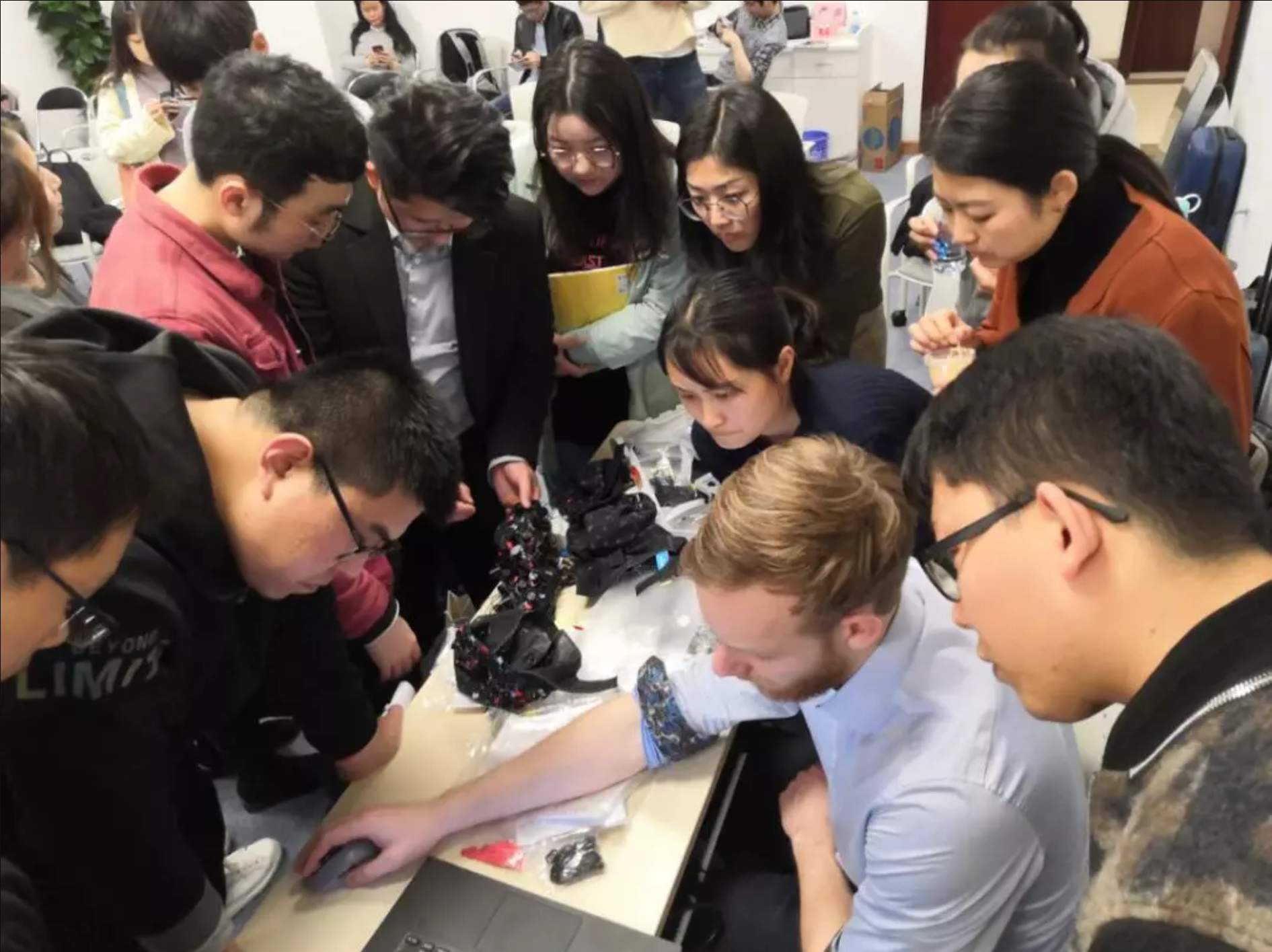
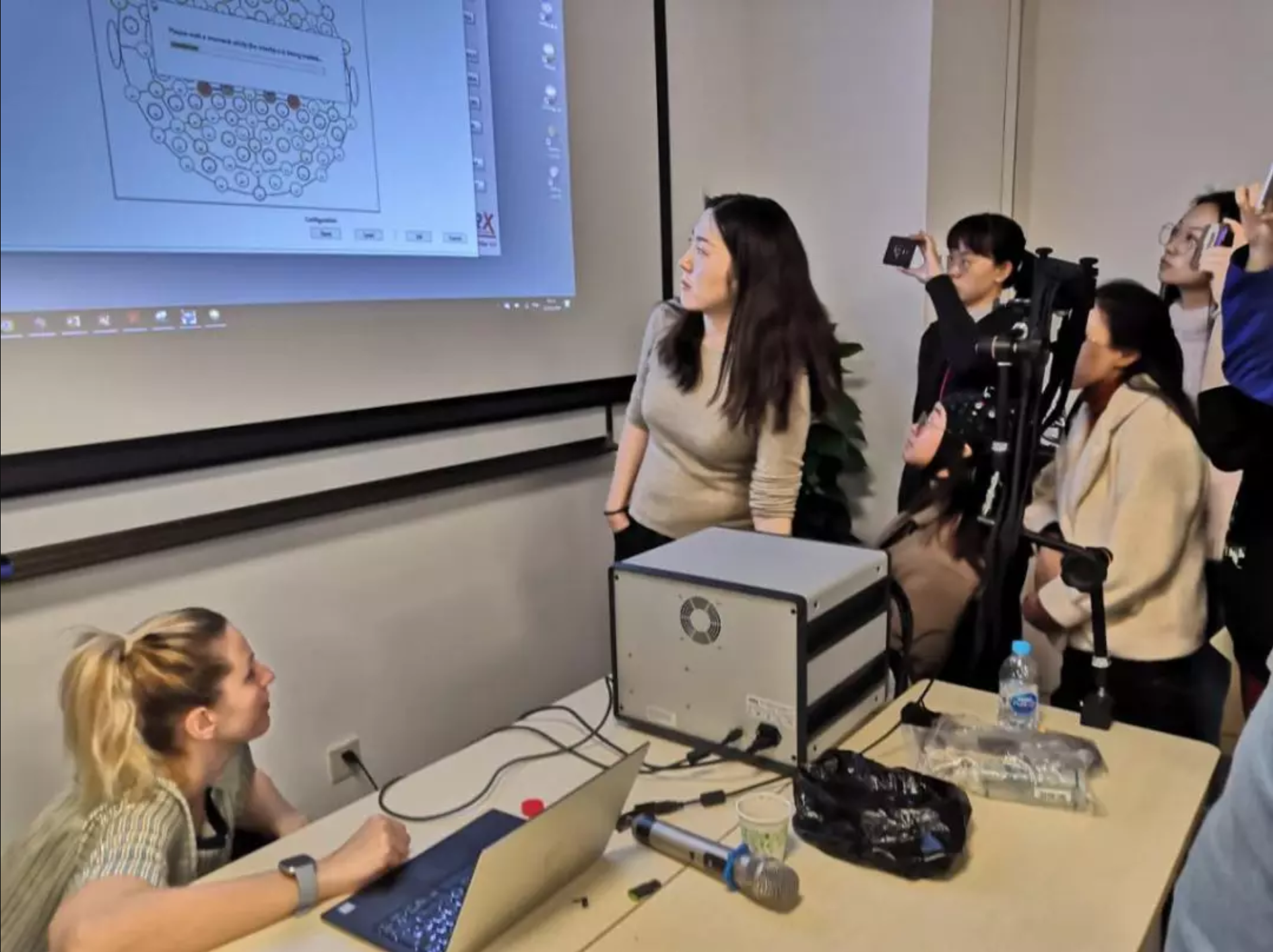
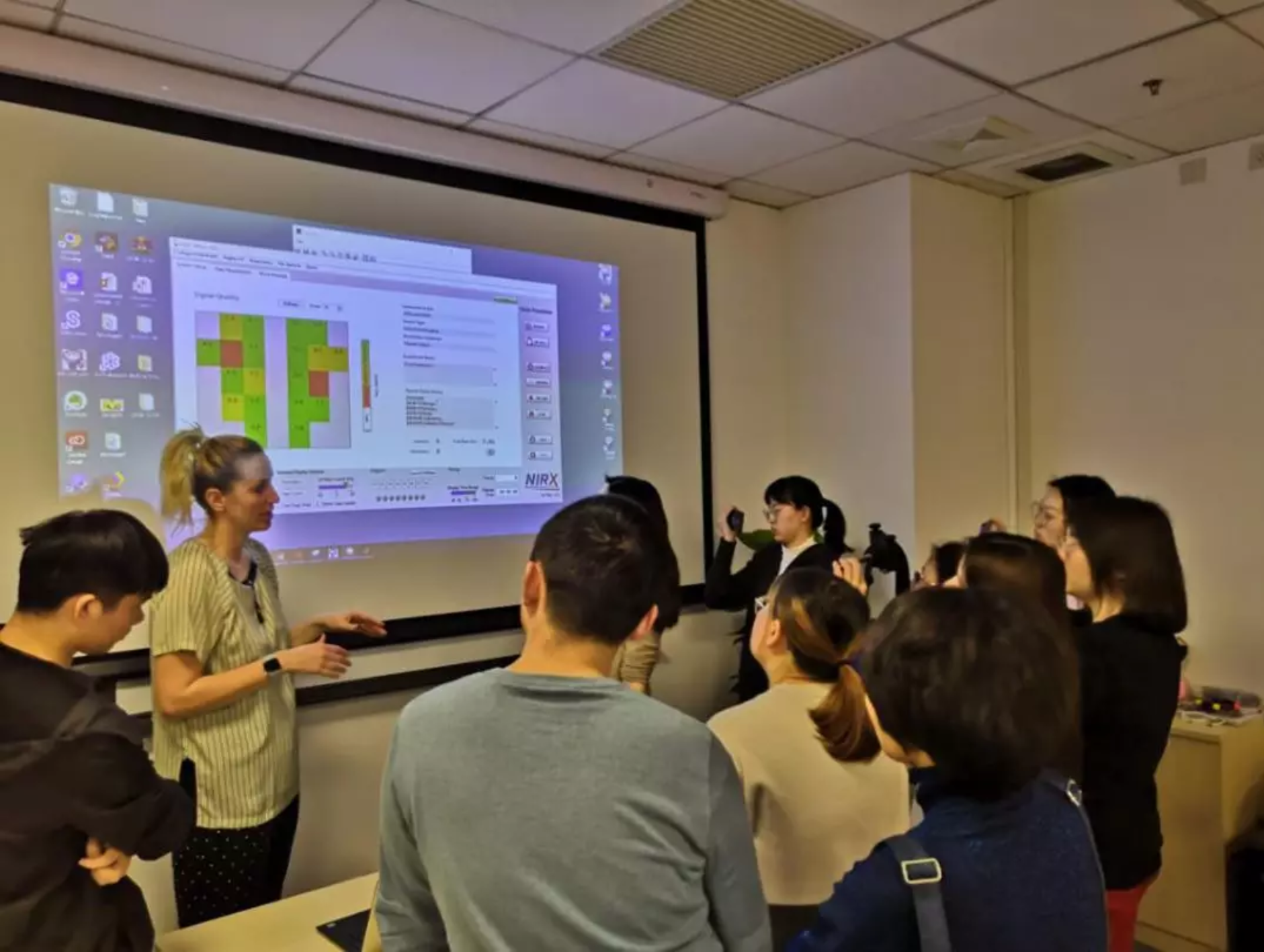
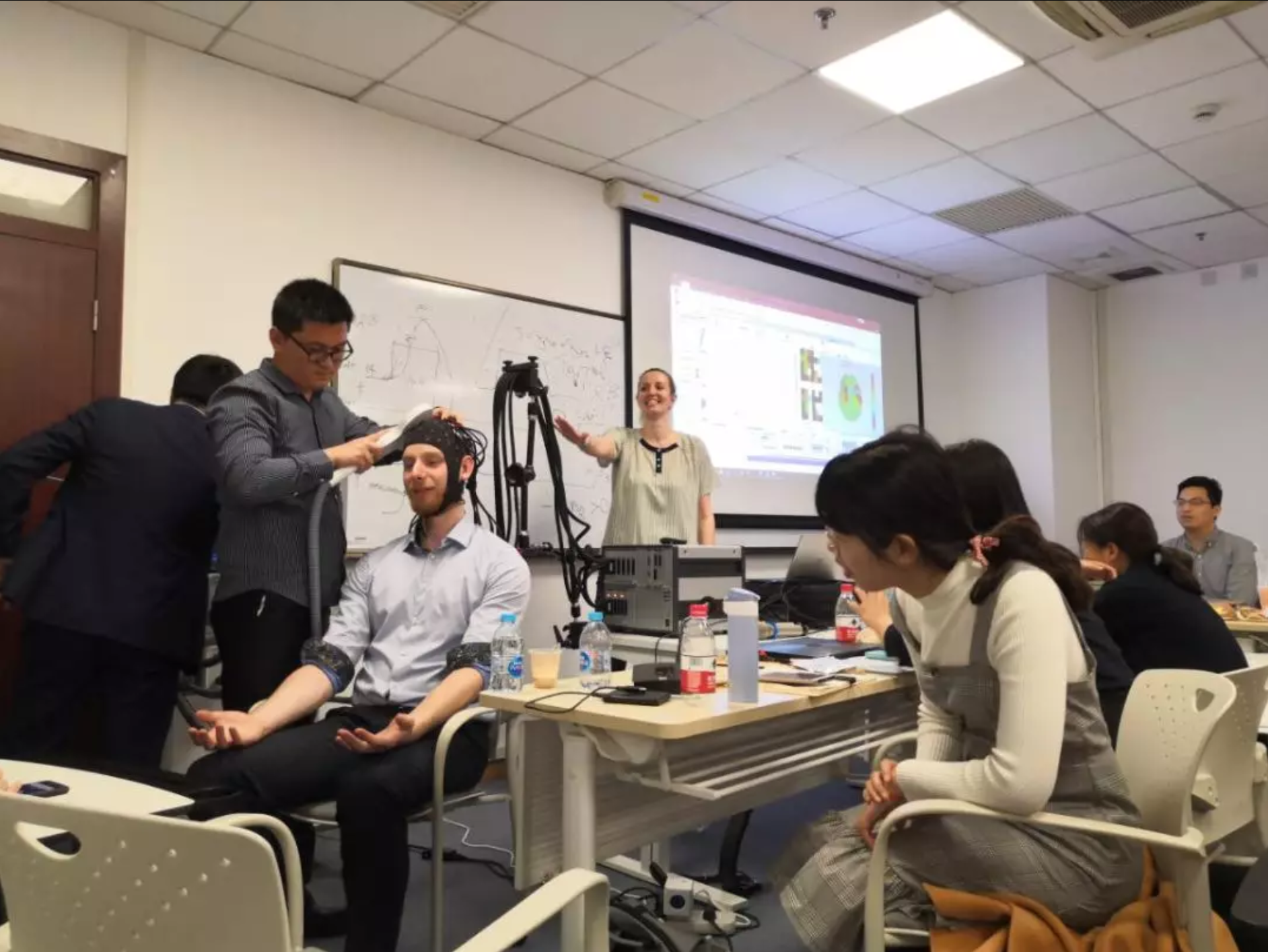
We would like to thank all organizing parties, guest speakers, attending researchers and students, supporting staff and everyone else involved with the NIRx Workshop at Fudan University Shanghai last week. During the two-day workshop a strong selection of researchers presented their ongoing work, while NIRx Scientific and Technical experts provided lectures and hands-on training sessions. Please find below a brief report!

The first day started with guest lectures, and Professor Li Xianchun from East China Normal University had the honor to deliver the first, which focused on brain synchronization during social interaction.

Next, Professor Zhang Dandan of Shenzhen University shared her research on the processing of emotional speech in newborn brains, also explaining some principals of fNIRS data collection and analysis. Recently, a study from Prof. Zhang got published in the Human Brain Mapping journal. Read more about it here!
In the afternoon, Professor Niu Haijing from Bejing Normal University presented her work on how to use resting state fNIRS analysis to study brain development in children.
If resting state fNIRS analysis interests you, check out our upcoming Functional Connectivity Webinar!

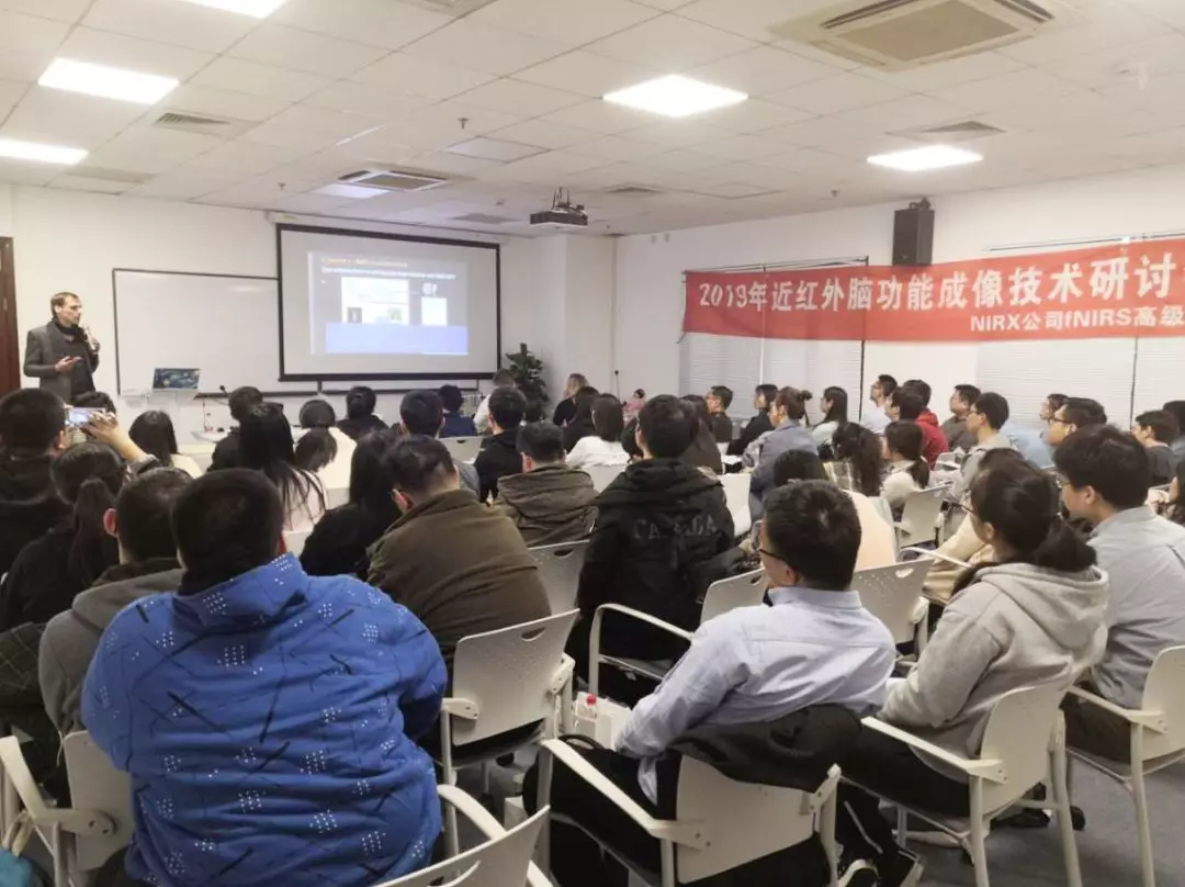
The second afternoon talk was held by Professor Benjamin Becker from the University of Electronic Science and Technology of China (UESTC) in Chengdu. Prof. Becker showed how his lab investigates new treatments for mental disorders using real-time fNIRS neurofeedback.
UESTC Chengdu (China) - Third Prize Winner in the NIRx 2018 Student Video Contest
The first day of the workshop was concluded by a wonderful talk from Professor Liu Tao of Zheijang University. Prof. Tao showed how VR and fNIRS can be combined to study inter-brain coupling in an interactive environment.

Thank you to all guest speakers for their interesting contributions!
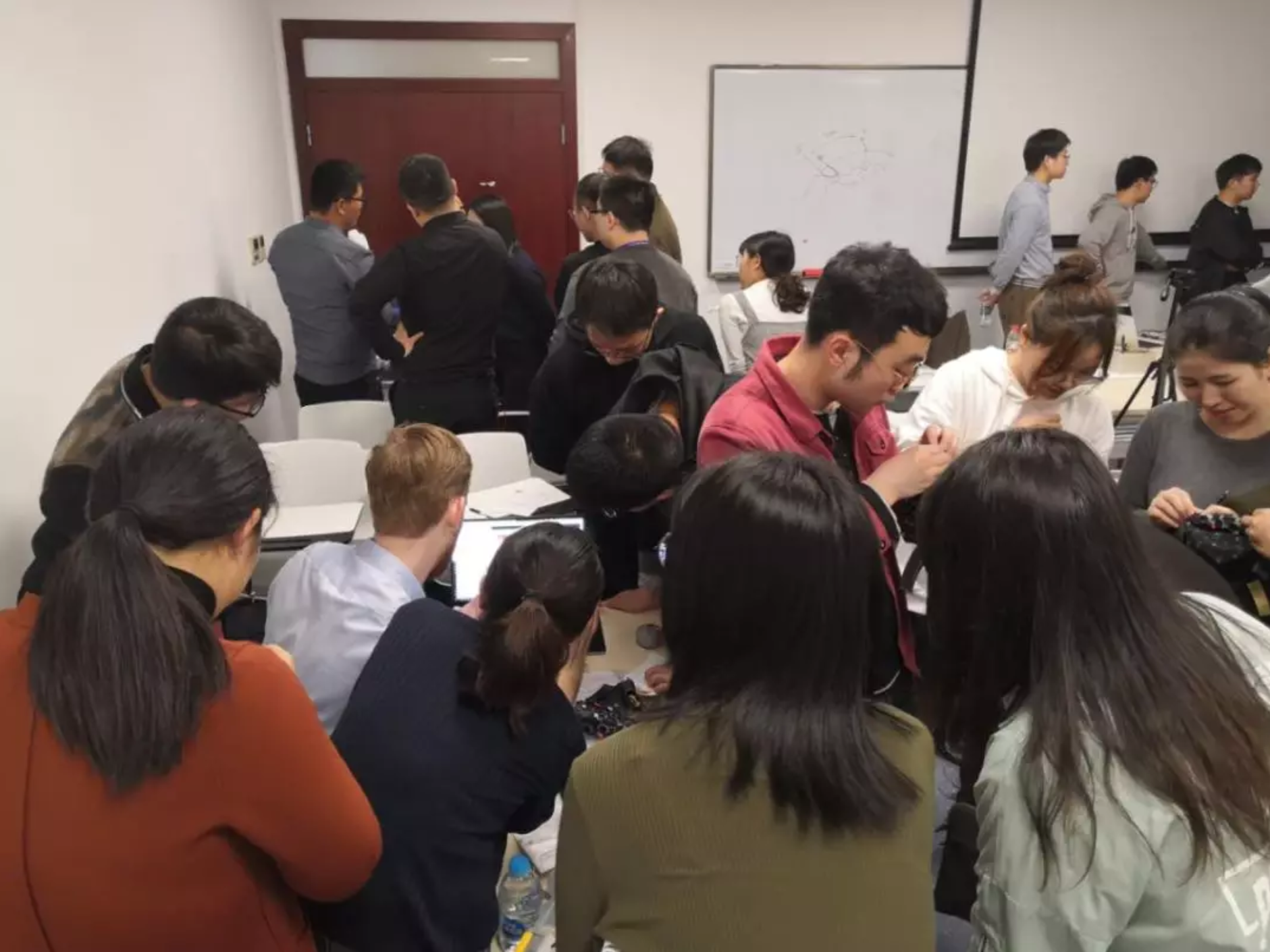
On the second day, we continued with practical lectures on fNIRS experimental set-up, study design, data acquisition and data analysis. We also demonstrated concurrent fNIRS-TMS. Below you may find more pictures of the workshop!
Interested to see if there is an upcoming NIRx fNIRS event in your region? On our Events Page you will find all upcoming workshops, conferences and other events we are organizing or attending.
We look forward to meet you there!
Upcoming event – Hands on next generation fNIRS. 8th of June, Rome
Reserve your spot now - limited availability
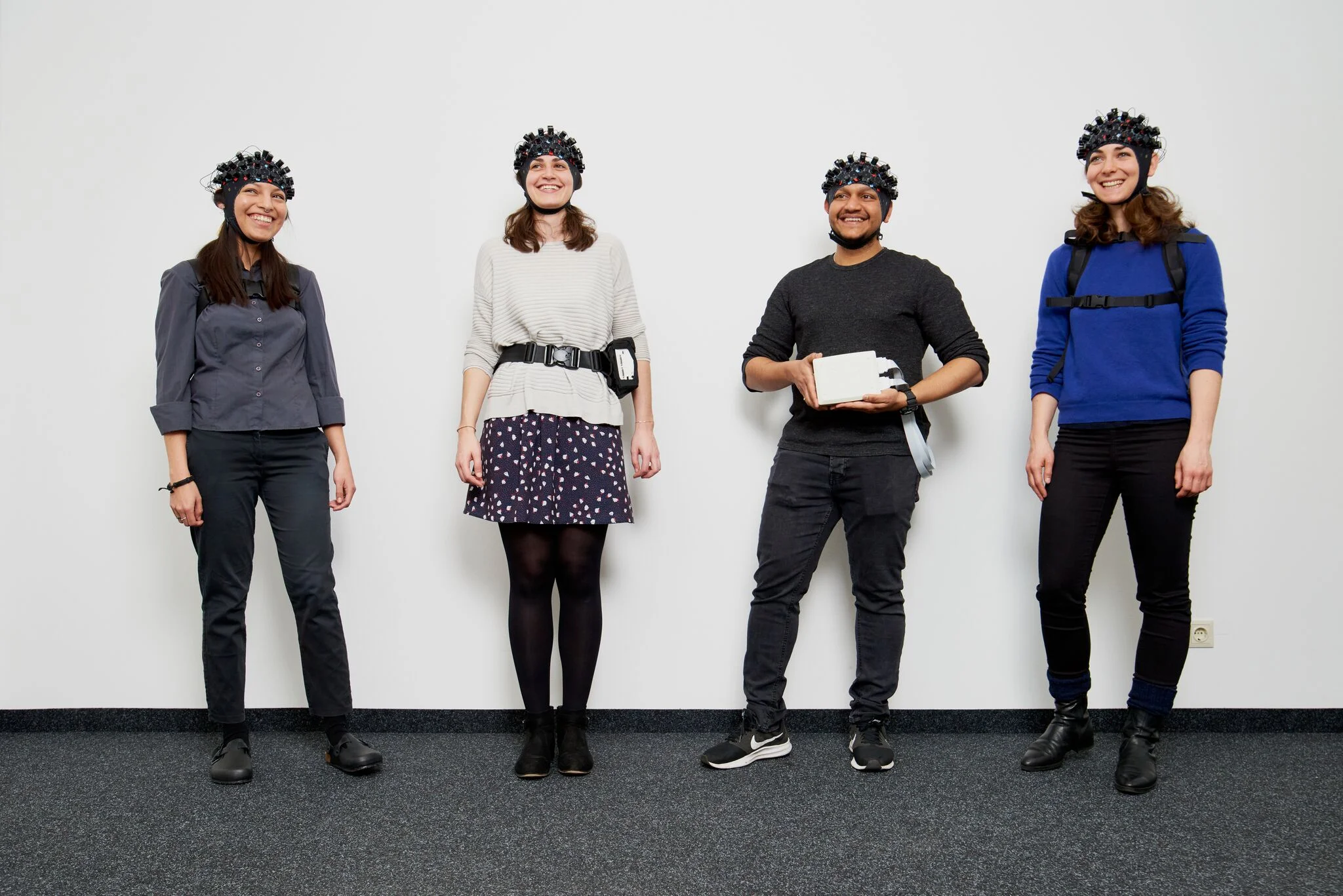
We would hereby like to warmly invite you to the Rethink Functional Imaging – Hands on next generation fNIRS event, organized by NIRx Medical Technologies and Brain Innovation. This one-day workshop introduces a new platform for wearable, whole-head functional near-infrared spectroscopy, from signal acquisition to data analysis. The event takes place on June 8; just before the official OHBM annual meeting starts. Claim your spot for this event on http://rethinkfnirs.eventbrite.com, or read more information below!
A little over 30 years ago, NIRx introduced the concept of multi-distance spectroscopy measurements – tomographic brain imaging using near-infrared light. Together with Brain Innovation, pioneer of advanced analysis and mapping of structural and functional brain data. Now, we are presenting an all-new way of studying brain activity, integrating the entire research workflow.
Join us for an interactive demonstration of the NIRSport 2, the wearable whole-head imaging platform. Try its powerful multi-device mode, and run whole-head measurements in almost any environment imaginable. Visualize hemodynamic changes with Aurora, the latest fNIRS acquisition software, and experience its potential for multi-modal research.
This event marks the premiere of our latest collaborative effort: an all-new analysis software. Get inspired, and be part of the newest developments in mobile neuroimaging. Meet the community and learn about ongoing efforts. Rethink your study, and rethink fNIRS.
The event is scheduled from 10am to 3pm, June 8, with admission free of charge. Final schedule, program and venue to be announced. Places are limited, so register now!
We very much look forward to welcoming you in Rome.

Upcoming Webinars
Including a guest lecture by Dr. Ted Huppert
We are pleased to announce that we have three new webinars coming up! The first upcoming webinar will be a guest webinar by Dr. Ted Huppert (University of Pittsburgh). A week later the second webinar will focus on fNIRS functional connectivity analysis, and finally we will walk through the new Aurora fNIRS software. See below for more details, exact dates and registration links!

Upcoming Webinars
Co-registering fNIRS data & structural MRI data in MATLAB Brain AnalyzIR Toolbox (NIRS Toolbox) - March 28th 2019

We are honored to have Dr. Ted Huppert (University of Pittsburgh, developer of NIRS Toolbox) join us as guest speaker for a special NIRx webinar focusing on co-registering fNIRS data & structural MRI data in the Brain AnalyzIR Toolbox.
During the Webinar, Dr. Huppert will go over the import of anatomical (MRI) information, probe (montage) registration to anatomical landmarks (accounting for head size variations), optical forward model simulations, image reconstruction basics, and anatomically defined region-of-interest methods. If you are curious to learn more about the work of Dr. Huppert, visit his personal website http://huppertlab.net/, or view a recording of one of his lectures here: https://nirx.net/fnirs-analysis.
The Co-Registering fNIRS/MRI in NIRS Toolbox webinar is scheduled for:
March 28, 3PM CET, 10am EDT.
Studying functional connectivity with fNIRS - April 3rd 2019

How do different ares of the brain interact when the mind is at rest? Is there a causal effect between activation to a cognitive task in one area and simultaneous activity in another? Are there functional networks hidden behind our data?
For over a decade, functional connectivity has been receiving increased attention and curiosity of many neuroscientists. Several neuroimaging modalities can be applied to better understand functional networks, but the exquisite temporal resolution of fNIRS offers a perfect opportunity for a closer look at these networks.
In the “Studying functional connectivity with fNIRS” webinar, we will review concepts of functional connectivity and provide a simple demonstration of how to run a connectivity analysis with fNIRS data using the Brain AnalyzIR Toolbox.
The Studying functional connectivity with fNIRS webinar is scheduled for:
April 3, 4pm CET, 10am EDT.
Visit our online Support Center to register for this Webinar!
Overview of Aurora fNIRS
The brand-new Aurora fNIRS software package is intuitive, easy-to-use, and compatible with multiple operating systems. Developed to take a whole new approach to user instrument control and data acquisition, Aurora fNIRS introduces many new features as well as a fresh and elegant new look.

Among many added features, Aurora fNIRS comes with new optimized signal diagnostics to ensure that signal quality is optimal for every measurement. When data is recorded, the user has quick access to high-end whole-head 3d data visualization. And with the integrated LSL protocol, Aurora fNIRS is ready for real-time data analysis and multi-modal measurements.
Interested to learn all new advantages, and see how Aurora fNIRS differs from NIRStar?
The Overview of Aurora fNIRS webinar is scheduled for:
April 11, 4pm CET, 10am EDT.
Learn more about this webinar, as well as others, by visiting our Webinars page.

NIRSport seen on television
Dr. Daniel Carius measures brain activity during Basketball
Our hands are versatile and we depend on them every day. But how do they work exactly and why is it easier to do some things with one hand than with the other?
A recent episode of the German/French tv-show Xenius dived into the interesting world of hands. In the excerpt below, sports scientist Dr. Daniel Carius of Leipzig University shows and explains which brain regions are activated during basketball when playing with the right hand (dominant), and left hand (non-dominant).
Interested to watch the full episode of Xenius? Until May 8, the full episode of Xenius is available on the Arte website: https://www.arte.tv/de/videos/069854-012-A/xenius-haende/.
Note: Unfortunately, the show is available in German and French language only!
Turbo-Satori Webinar
Register now for the webinar
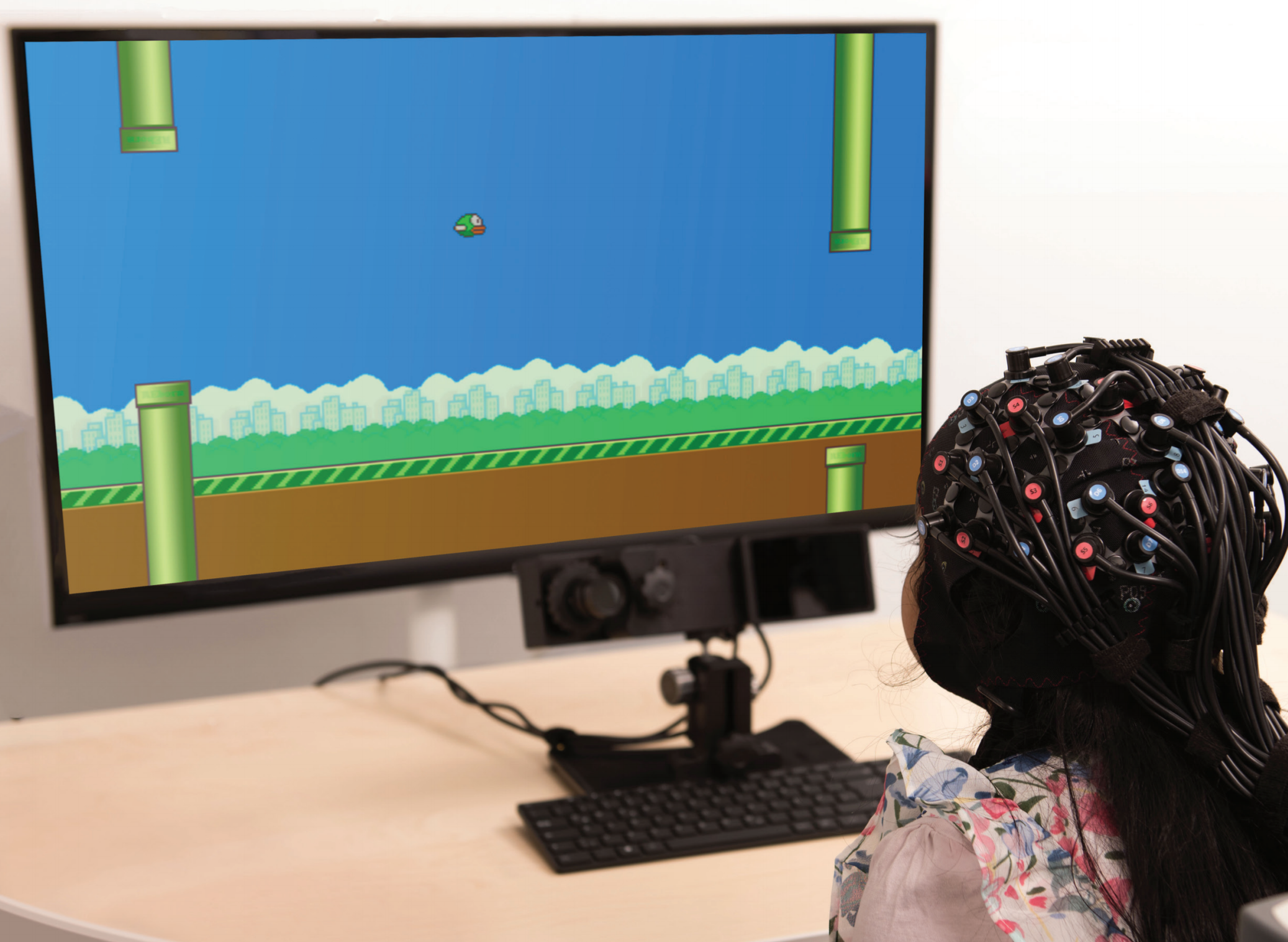
Neurofeedback, real-time data analysis and Brain Computer Interface (BCI) paradigms are becoming increasingly popular in fNIRS research. To facilitate the requests of many researchers, NIRx has partnered with Brain Innovation, whom have developed an advanced, real-time analysis software that allows for fast, result-driven high-quality fNIRS research: Turbo-Satori.

We would like to invite you to a Introduction to Turbo-Satori webinar, on February 28. During this webinar, Mr. Michael Lührs - head developer of Turbo-Satori, will give a walk-through of the software and discuss its advantages and possible applications.
Reserve your spot for the Webinar now, and sign-up below!
Introduction to Turbo-Satori, a real-time Analysis Program for fNIRS data
Date: 28.2.2019
Time: 4 pm CET, 10 am EDT

Interested to learn more about Turbo-Satori in advance? Have a look at its publication in Neurophotonics, or contact NIRx to discuss integrating Turbo-Satori with your current or desired fNIRS set-up!
Can Cycling Boost Mental Health?
Watch the video report!
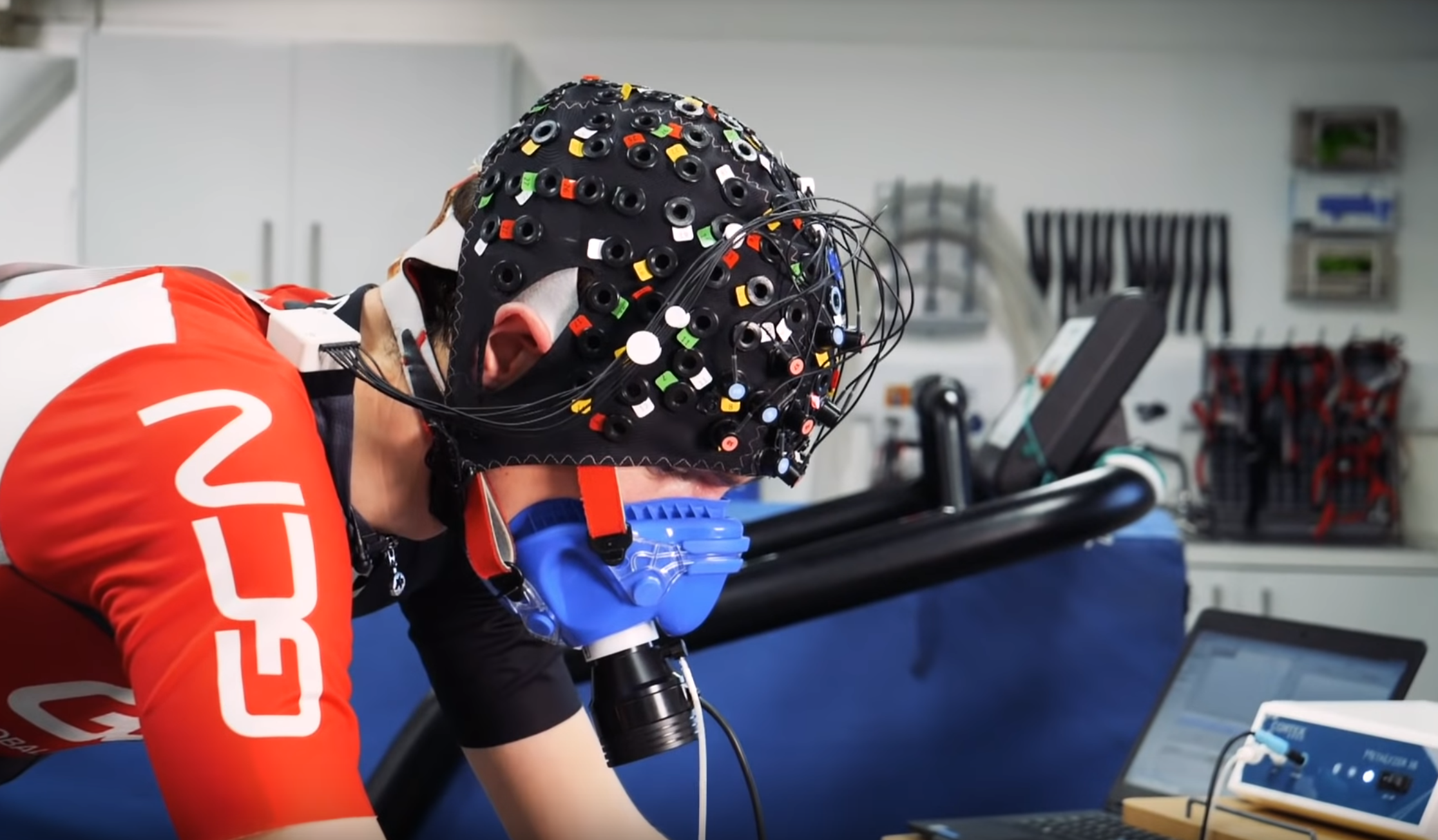
The NIHR Oxford Health Biomedical Research Centre recently had their spectacular research featured in a 20-minute GCN Does Science Video!
With mental health becoming an increasingly discussed topic, scientists are seeking to evaluate strategies to maintain or even promote mental health. Ground-breaking new research done by the NIHR Oxford Health Biomedical Research Centre is now using fNIRS to show that cycling can be hugely beneficial for improving mental health. Interested to learn how? Find out by watching their amazing video report!
NIRx functional near-infrared spectroscopy instruments allow for world-class scientific research in almost any environment imaginable. For an impression of other successful projects, have a look at a sample of peer-reviewed publications.
Interested to start a (new) fNIRS project with your lab? Please do not hesitate to contact us as we are looking forward to talk to you!
NIRSite 2.0
We are excited to announce NIRSite 2.0!
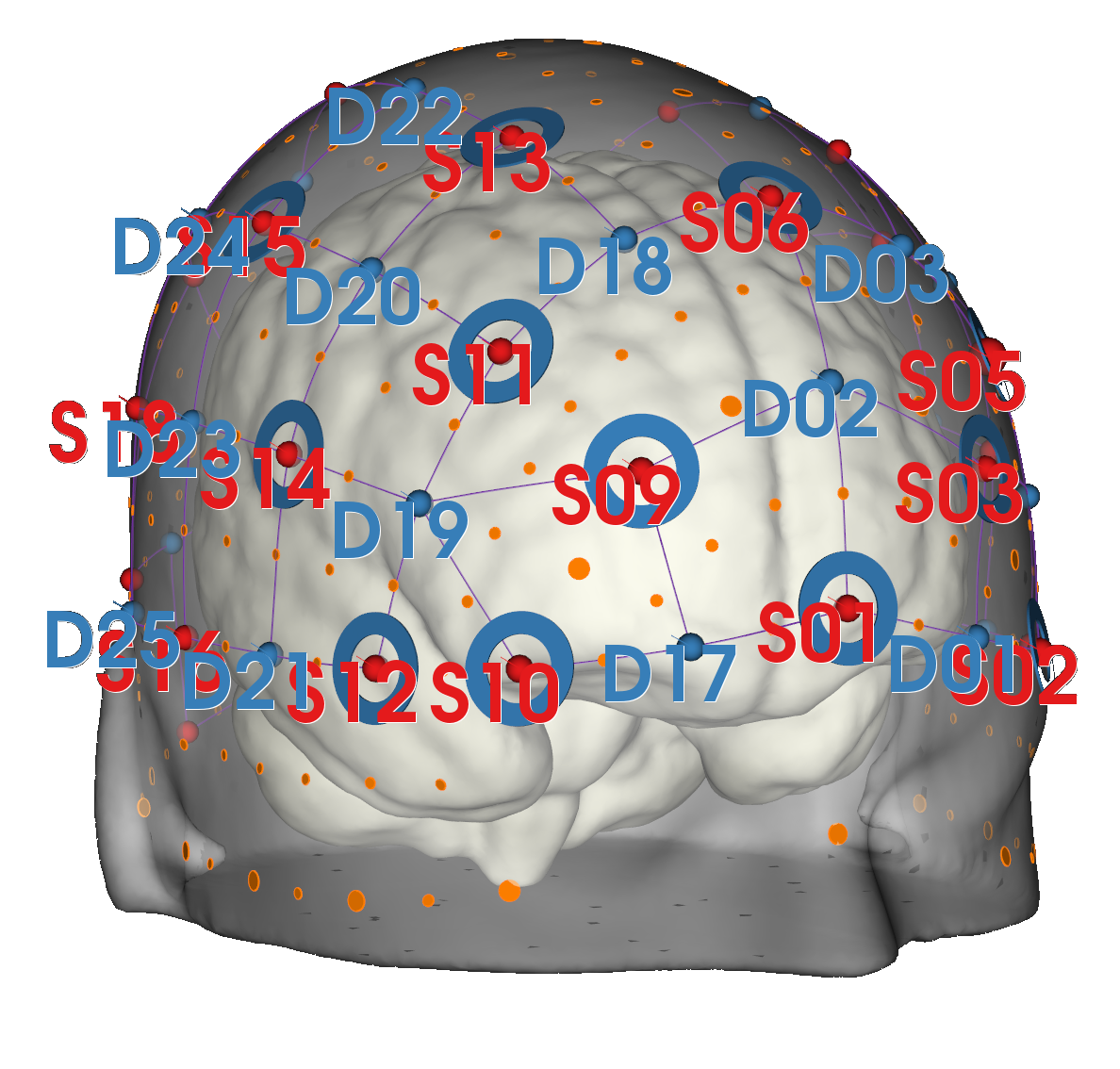
The second installment of NIRSite has arrived! Read about the new features here, such as easy addition of short-distance channels, automatic export of montages, renaming source and detector labels, and much more!

Following the success of the first release of NIRSite, we are excited to share with you the updated and much improved NIRSite 2.0. Packed with new features and important bug fixes, NIRSite 2.0 makes creation of montages / optode-arrangements easier than ever!

What’s new in NIRSite 2.0?
Effortless addition of short-distance channels
Manual manipulation of measurement channels
Renaming source and detector labels
Creation of montages in the two-dimensional view
Automatic export to NIRStar and Aurora montage folders
Visit the NIRx Help Center to learn more about NIRSite 2.0, and download your own copy free of charge.
In addition, we warmly invite you to attend the upcoming NIRSite 2.0 Webinar, scheduled for March 7 2019. Visit our Webinar page for more details!